But who makes them in your company?
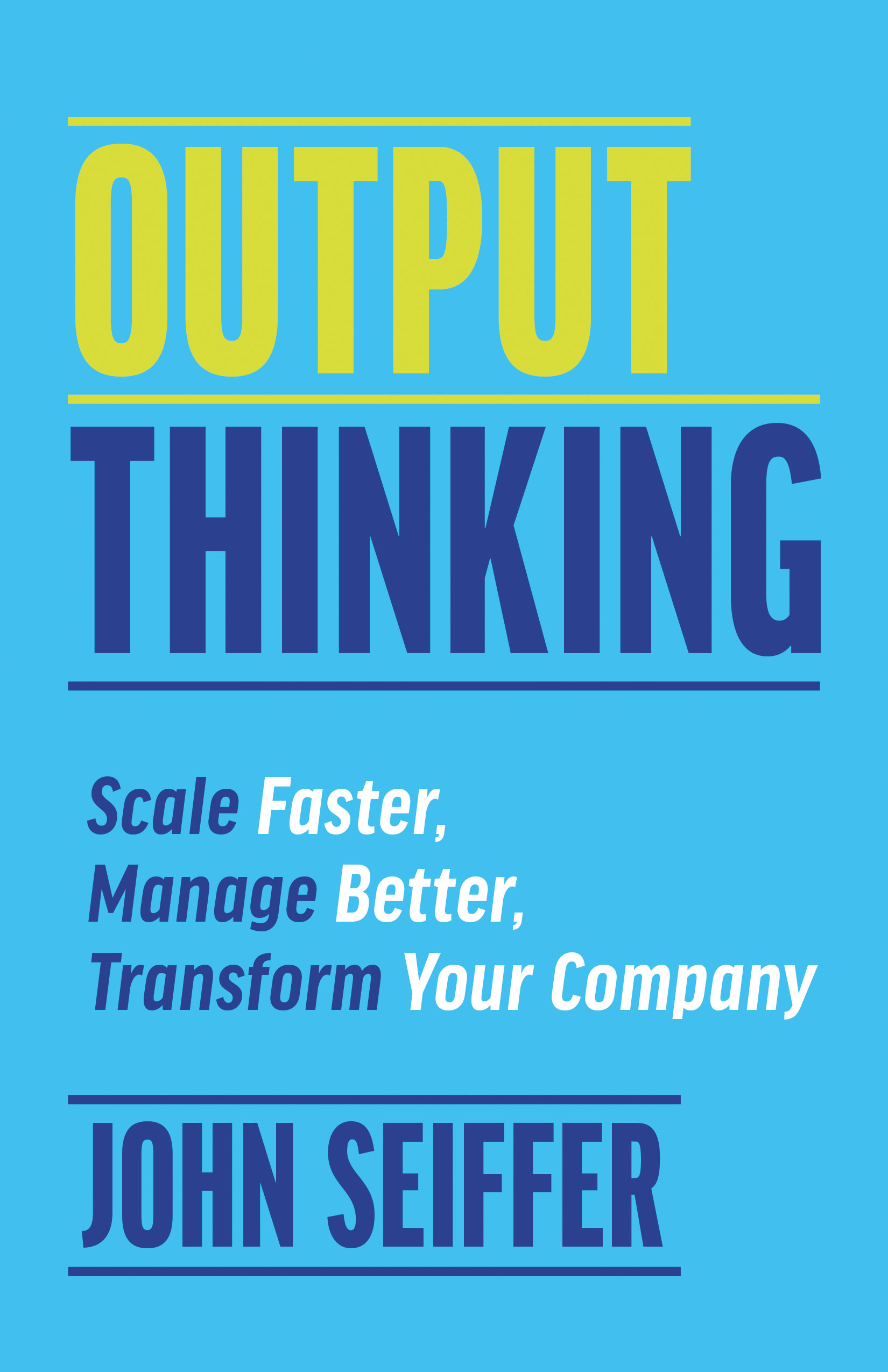
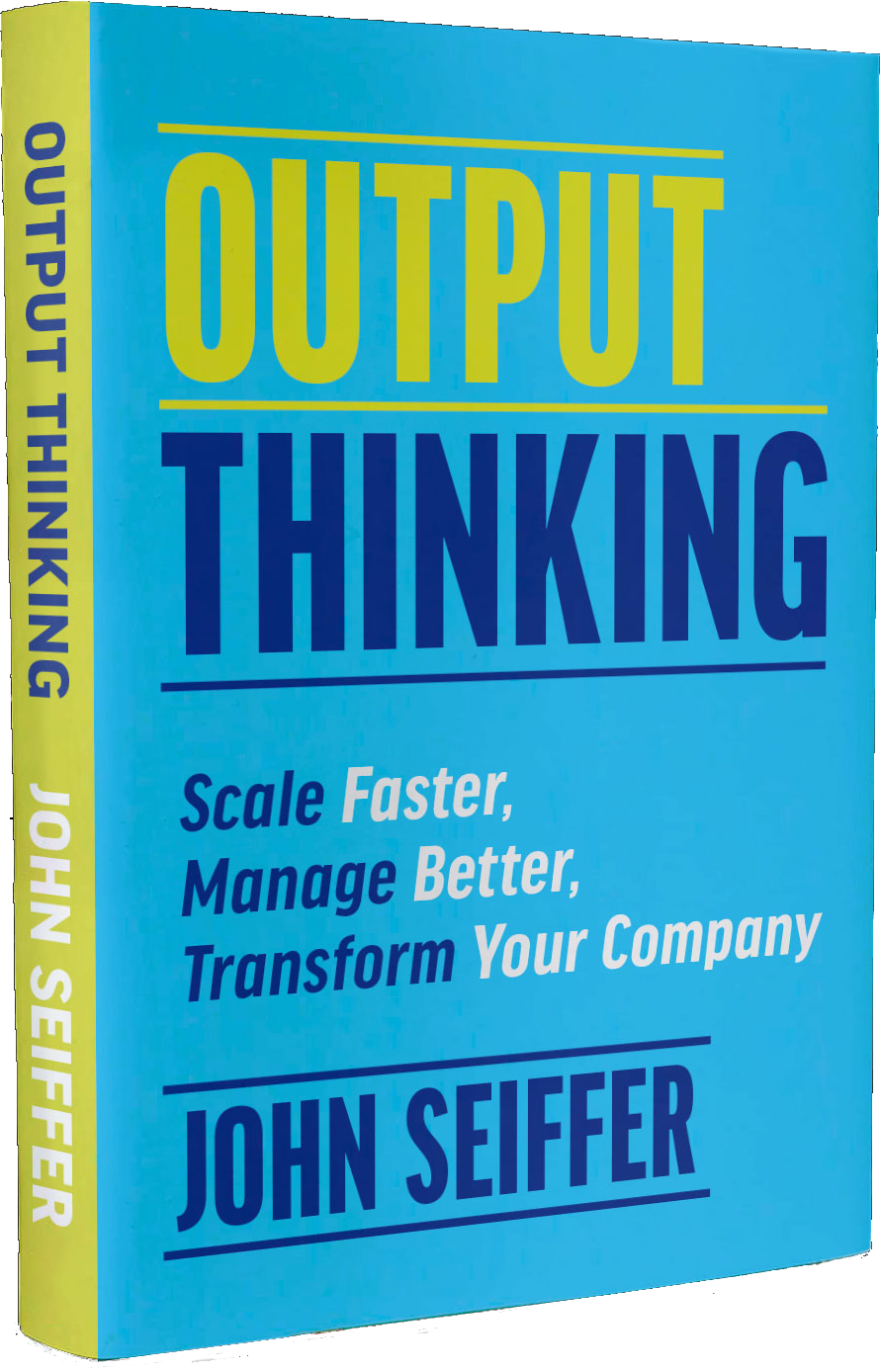
The reason you hire people is to produce some output: widgets, or hamburgers, or sales. I wrote a whole book about this Output Thinking: Scale Faster, Manage Better, Transform Your Company. But a tweet thread by @MarkBrooks and @joshuamschultz recently added some insight about decisions.

Here’s an excerpt from the book:
Outputs can be decisions
People in companies make decisions all the time. Some of those decisions are one-offs. Some are made over and over again. Someone is charged with making these decisions and they are part of that person’s output. Here are some examples of repetitive decisions.
Extending credit. Many companies need to decide whether they should sell to customers on credit or demand cash on delivery (COD). If they give the customer credit, they need to decide how much. These are examples of decisions that are made repeatedly. It’s an output that’s required if a sale is to go forward. You’d want to know who’s responsible for producing that output so they can be trained and their decisions tracked and improved.
Hiring and firing. Often there are guidelines from HR to ensure these decisions are made in compliance with laws and regulations, but the decisions still have to be made by someone.
Strategy decisions are made by the top-level management of a company. These are decisions about which markets to go into and which products to carry.
Every decision needs to be made by someone, and like any output, the person in charge of making a decision may change as you promote people and your company grows. But the decision must be made no matter who makes it. That’s why it’s useful to specify certain types of decisions as outputs. Then they can be assigned to people and those people can be trained and evaluated. Don’t view decision-making as an innate skill of the individual. See it as an output that people can be trained to do better.
One advantage of this approach is that decisions can be made by people lower down in the organization once they are trained properly. This means people at the top will be interrupted less because the way they make decisions can be replicated. If you think this is impossible, consider that some of the best companies in the hospitality industry routinely train entry-level desk clerks and food servers to make decisions on the fly that result in great service.
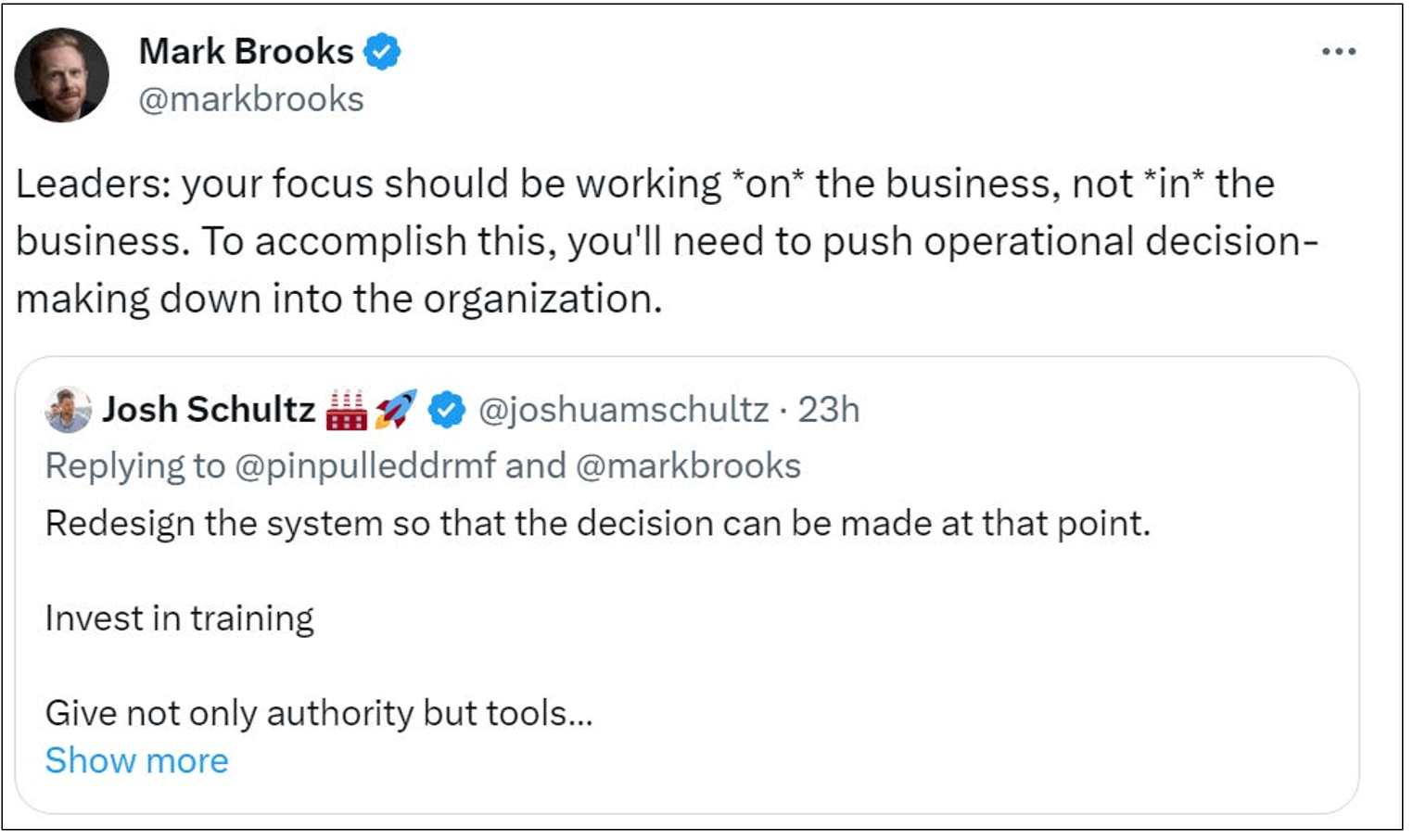
Mark’s point was that working “on” the business, not “in” it means pushing decisions down in the organization. Josh added the insight that when something goes wrong and management steps in to make the decision it can become a virus that “leads to a system of decisions by non productive personnel”
You can see their exchange here:
https://x.com/markbrooks/status/1742917368504795277?s=20
Decisions are Empowering
The thing is that many of us like making decisions. There’s a sense of power and a clarity that comes from those times when we are called on to decide. But if we want to build a scalable organization, we need to give that power away. That means not just empowering others to make those decisions but giving them the training and tools they need to do it well. This, I believe, is what David Marquet means when he talks about the need for competence and clarity before giving control to the team. I highly recommend his book Turn The Ship Around where I got this idea.
One exercise you can do to work “on” your business is this:
Make a list of the decisions you’ve been called on to make in the last month.
For each one decide where in the organization is the lowest point for that type of decision to be made.
Look for what needs to be done so people at that level have the competence and clarity to make good decisions.
Implement #3 and follow through with it.
Rinse and repeat for all the decisions on your list.
And don’t expect perfection. People need time to grow into the responsibility of producing new outputs. Most decisions are reversible. Don’t sweat those too much. For irreversible decisions resist the temptation to keep them to yourself (after all, you’re not perfect either). Instead provide closer oversight throughout the process of pushing them down in your organization.
If you found this useful, here’s where you can find more like this.
My book Output Thinking
1-1 Coaching – I only work with a few clients as a time but anyone can sign up for a free session.
I tweet here @BetterCEO